Escape to the Kalahari: a journey on a grand scale!
Aug 6, 2025
The Kalahari! A fascinating universe with unique shades. Highlighted by Mark and Delia Owens, authors of the book “Cry of the Kalahari: On the Last Untamed Lands of Africa”, this vast desert will amaze you with its wildlife, flora, and breathtaking landscapes — immense and almost untouched by human presence. Discover everything you need to know to plan a journey to the Kalahari that promises to be unforgettable.
Destination Kalahari: everything you need to know about this unique desert
Geography, wildlife and flora of the Kalahari
The Kalahari Desert stretches across 900,000 km² between Botswana, Namibia and South Africa, bordered by the Zambezi and Orange river basins.
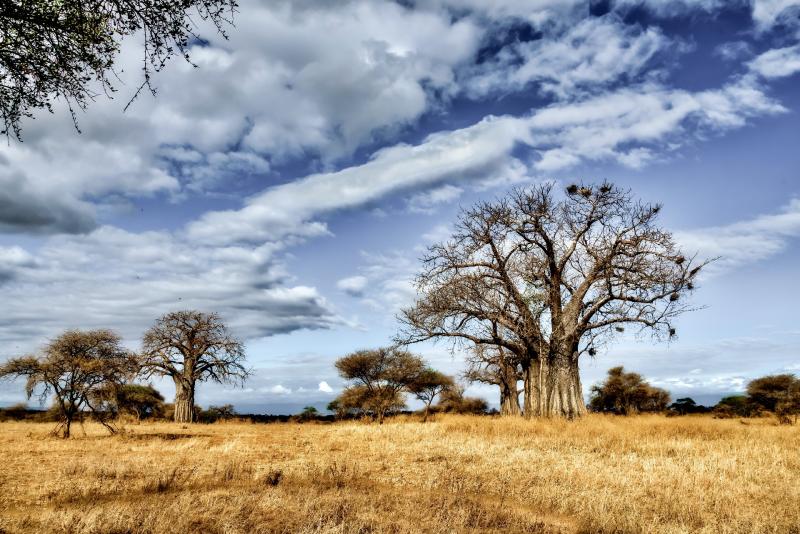
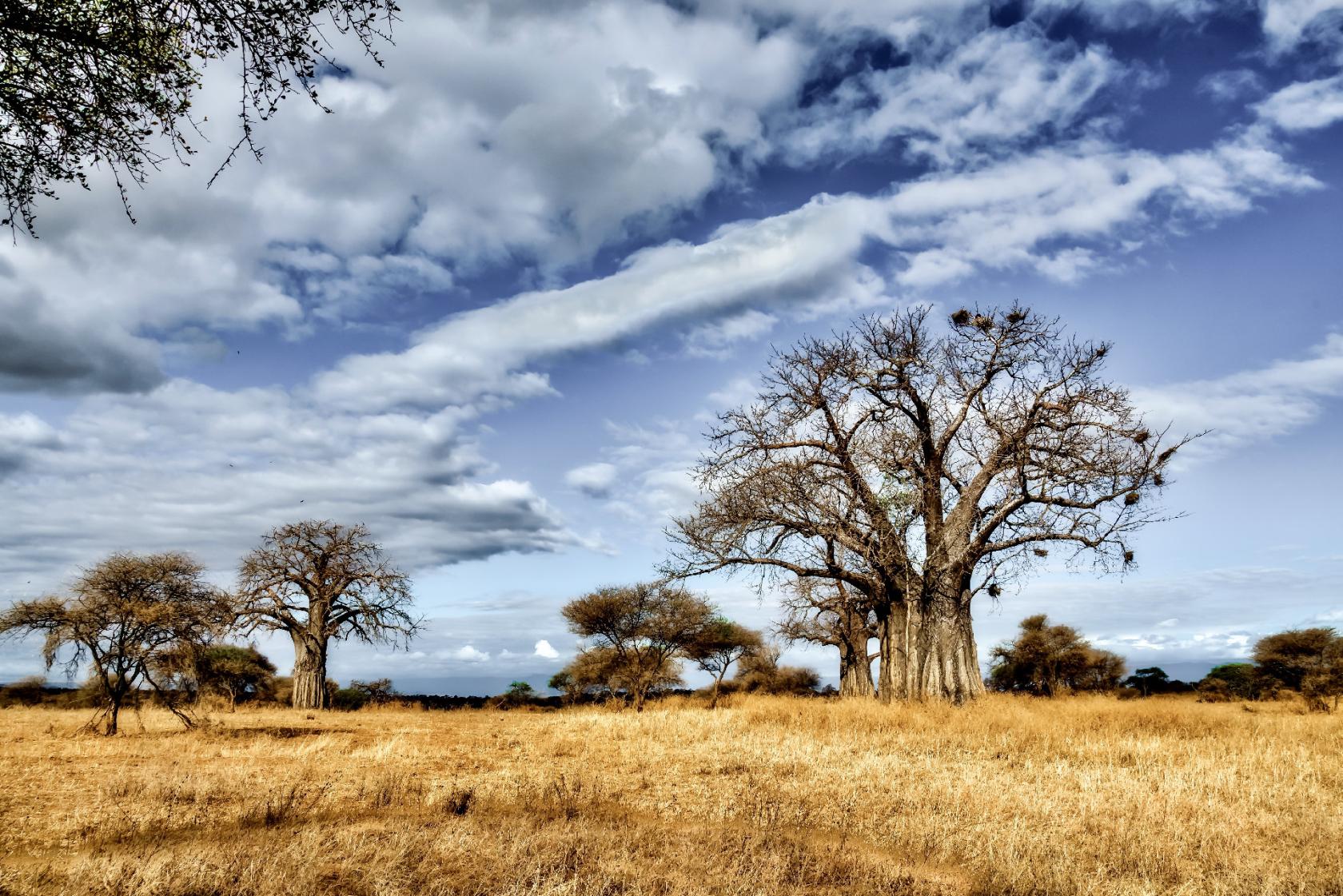
Contrary to popular belief, this vast sandy expanse is not entirely arid and barren: a wide variety of plants have made it their home, with more than 400 plant species spread across different biotopes (savanna, acacia forests and baobabs), as well as many animals adapted to these extreme conditions.
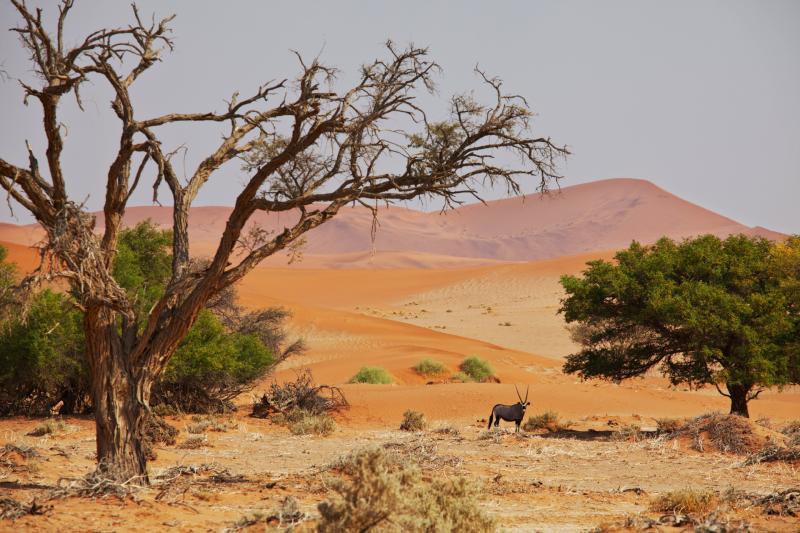
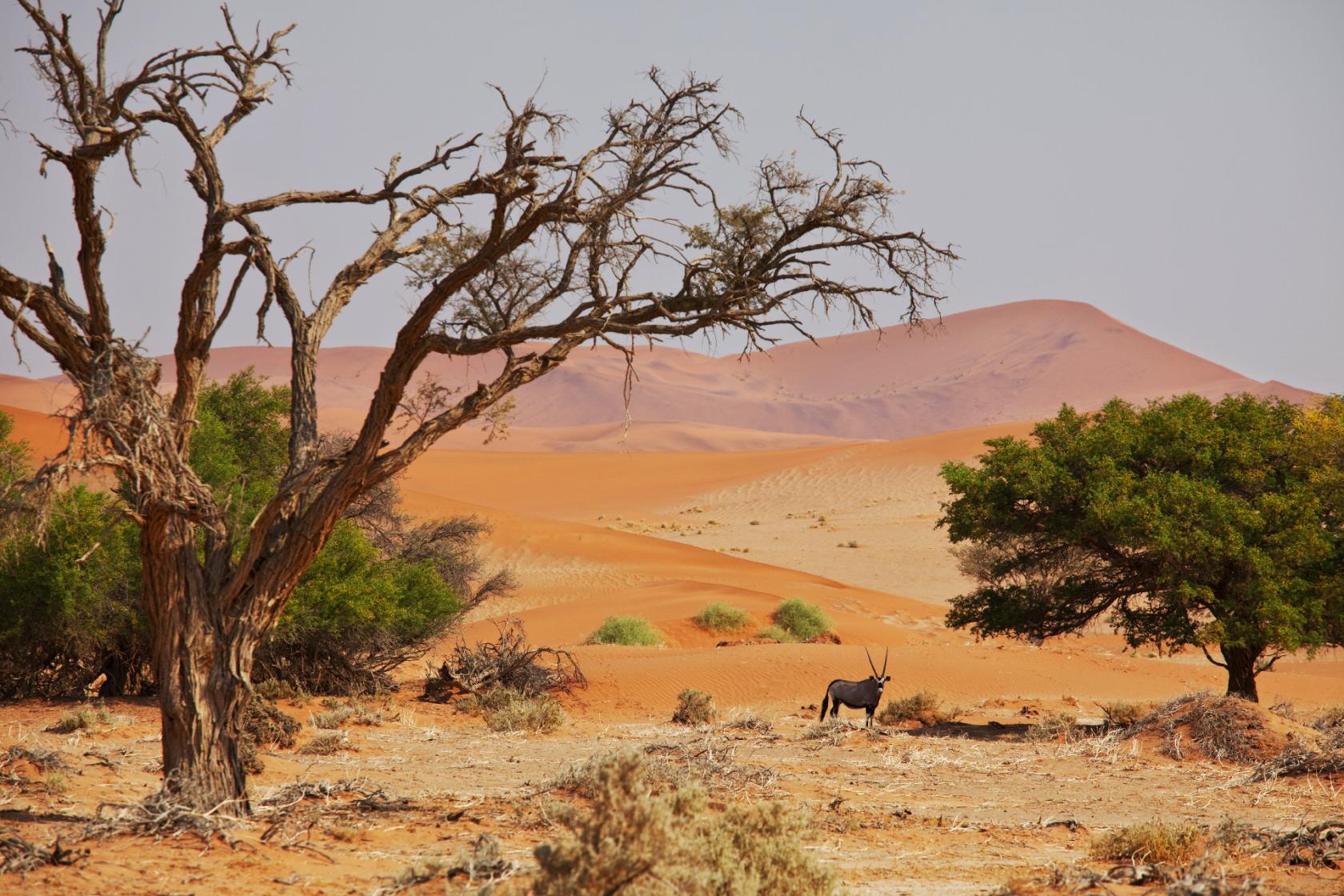
Finally, the sight of its dunes is unique. While in terms of height they are less impressive than those of the Namib Desert, they fascinate with their red color and the contrast with the greenery during the rainy season.
Rain, the source of life
The climate of this desert, nicknamed « the great thirst » in Tswana, is surprising. Indeed, this region receives between 100 mm (in the southwest) and 500 mm (north and east) of rainfall per year. The Kalahari is therefore not a desert in the strict sense. When the rains arrive on these arid lands during the austral summer, a true carpet of greenery blooms.
Meeting the Bushmen of the Kalahari
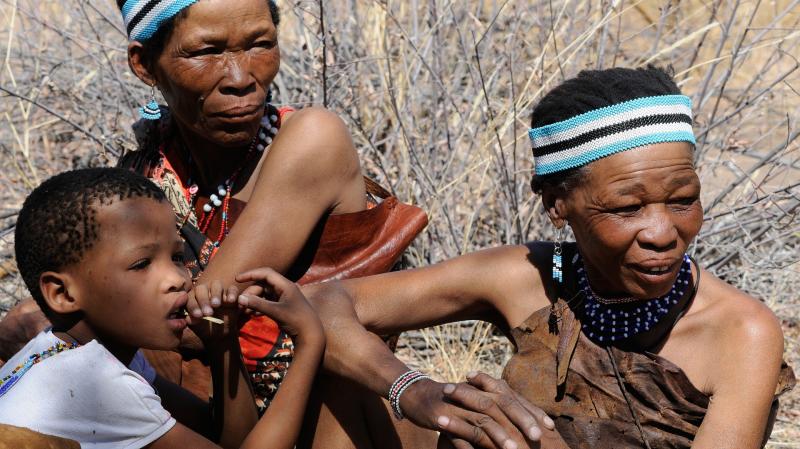
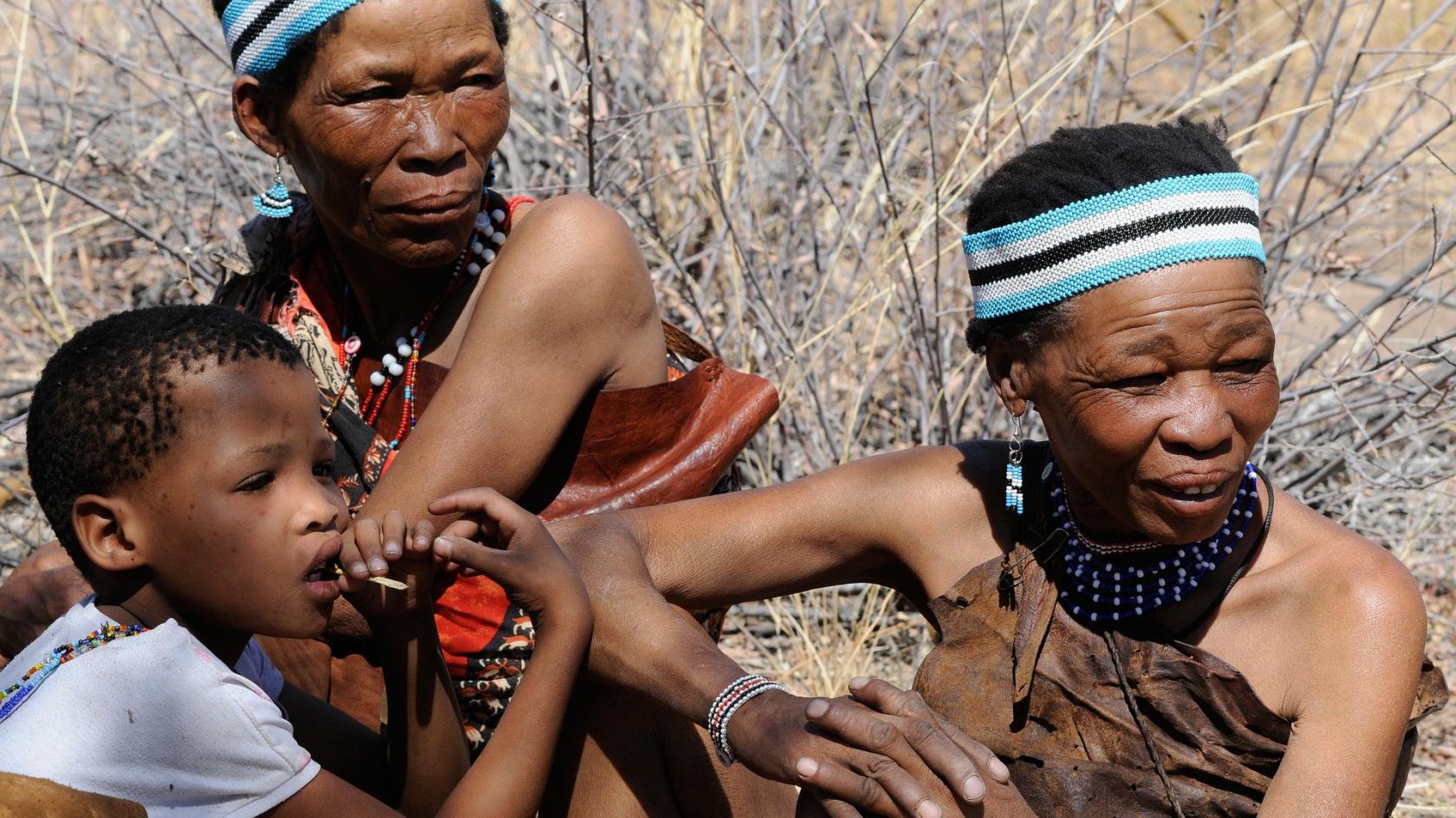
About 50,000 people live in the Kalahari Desert. Representing the San ethnic group (formerly known as Bushmen or Bochimans), this nomadic people of hunter-gatherers have a deep knowledge of natural resources and survival strategies in these arid regions. The San still preserve their way of life, their language (with its characteristic clicks) and their traditions dating back more than 40,000 years.
Traveling in the Kalahari: 3 countries, 3 experiences
To visit the Kalahari Desert, you have several options since it spans three Southern African countries:
Botswana: extreme nature and isolated sanctuary
In Botswana, nothing can prepare visitors for the vastness of the Central Kalahari Game Reserve (CKGR), nor its wild and mysterious beauty. It was here that Mark and Delia Owens settled to conduct their research on African wildlife. This is the largest reserve in Southern Africa (52,000 km²), but also the most remote. Created in 1961 as a sanctuary for the San people, it preserves their traditional ways of life, free from intrusion or outside influence.
Located in the north, Deception Valley remains one of the most visited areas. This place attracts a significant concentration of herbivores feeding on grasses that grow after the rains, which in turn attract roaming predators, such as brown hyenas and lions.
Note: the extreme climatic conditions of this region make it a difficult and potentially dangerous environment for inexperienced visitors. It is therefore strongly recommended to visit with an experienced guide.
Namibia: red dunes and hidden parks
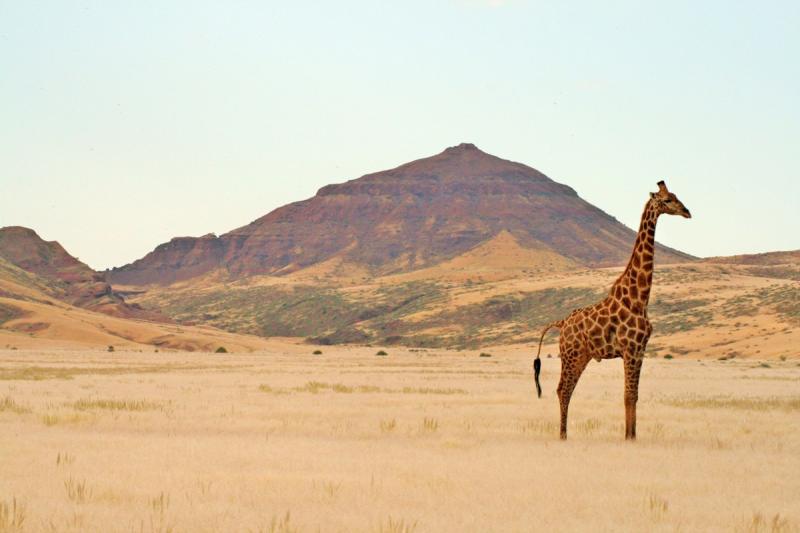
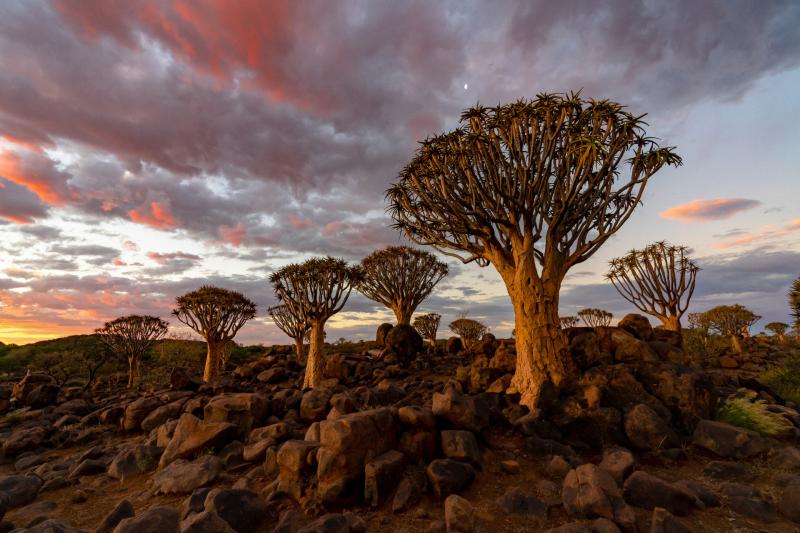
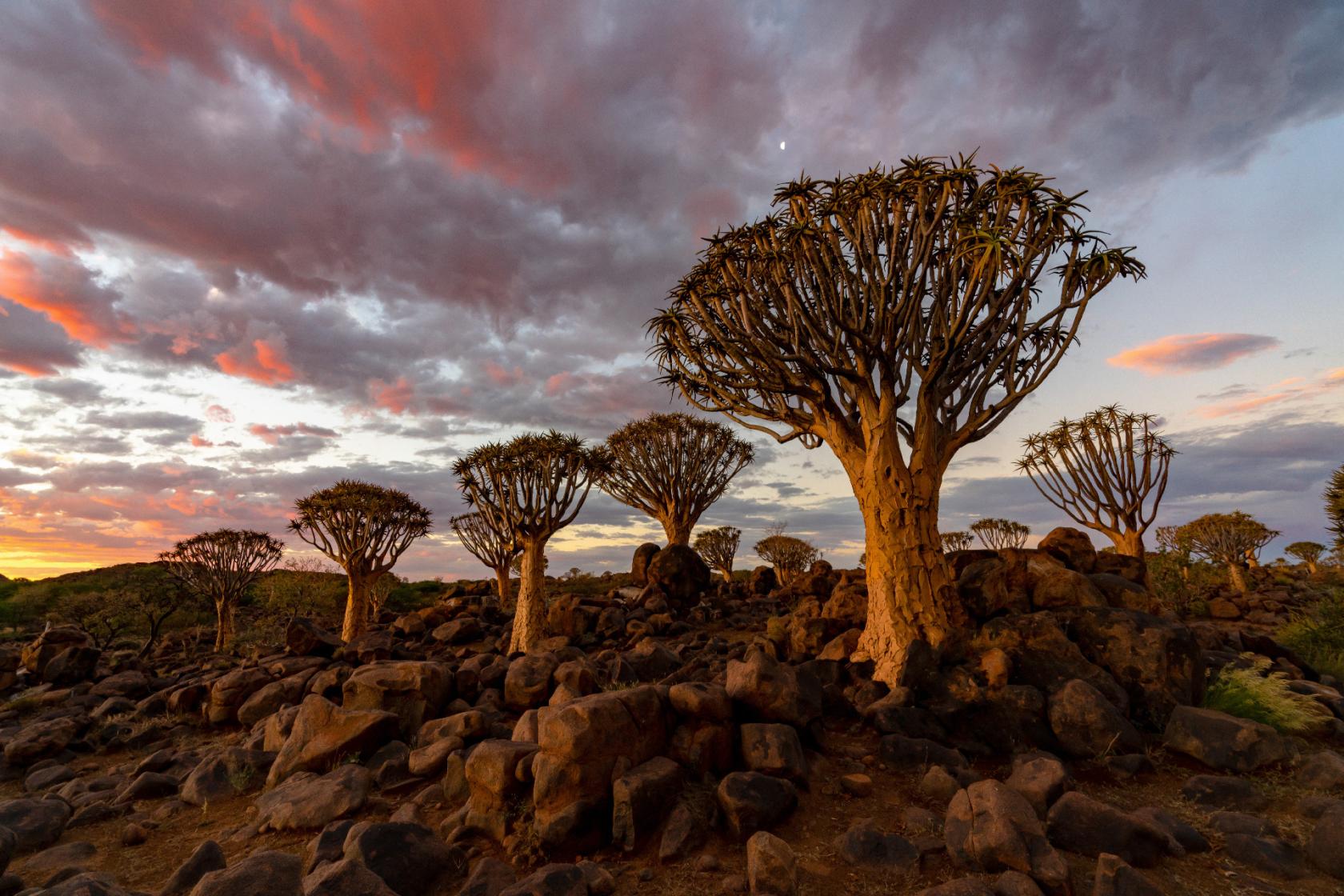
Starting from Windhoek in Namibia, a three-and-a-half-hour drive will take you to the gates of this majestic desert, with its striking red dunes, particularly impressive in the Mariental region. Further south, don’t miss a visit to the Quiver Tree Forest. Located 14 km northeast of Keetmanshoop, this unusual forest is home to around 250 specimens of kokerboom (Aloe dichotoma), a plant endemic to Southern Africa. These “quiver trees” glow golden when illuminated by the sun.
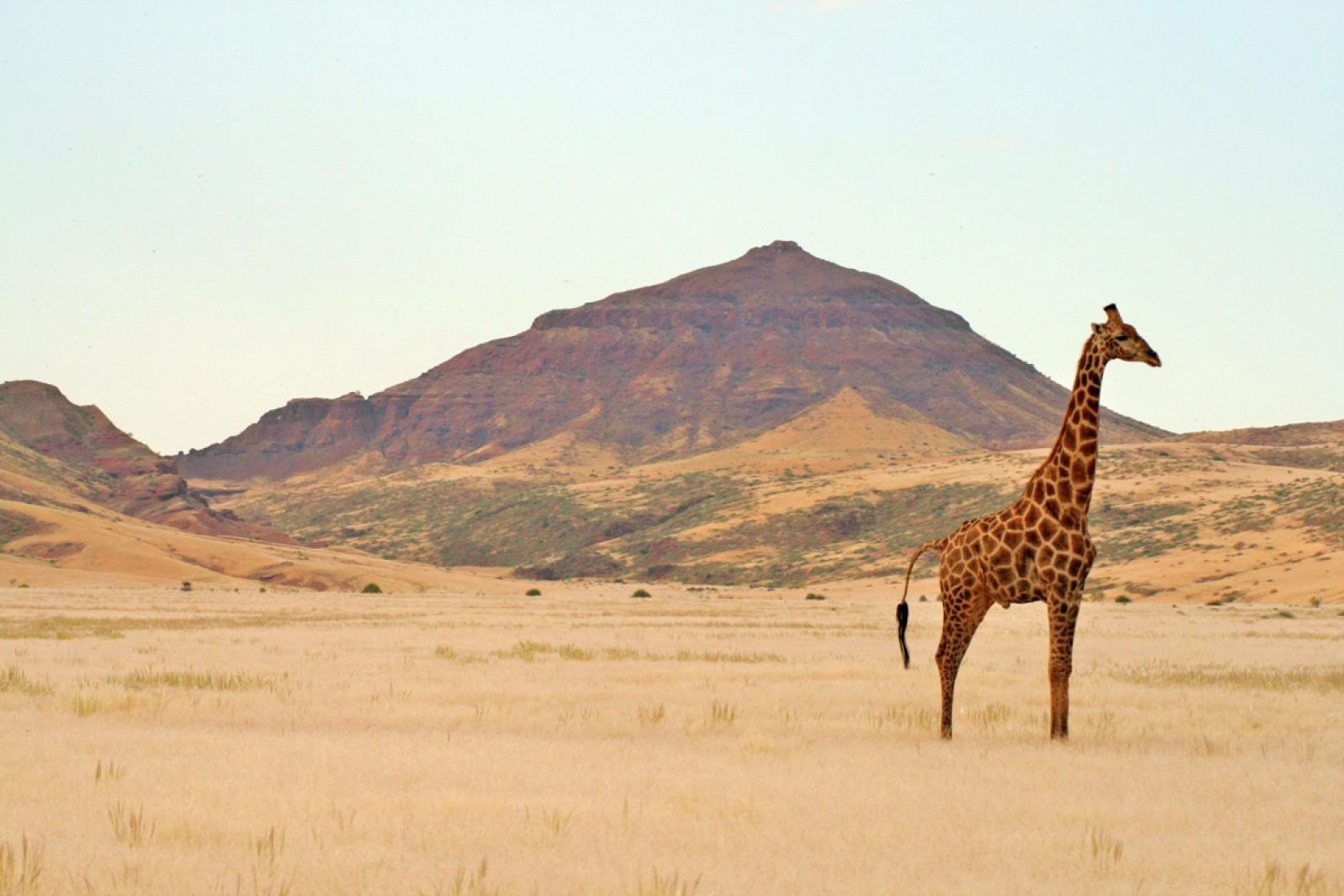
For the more adventurous, Khaudum National Park, a very remote and nearly inaccessible reserve in northeastern Namibia, offers a truly off-the-beaten-track experience. No other park in Namibia presents as many challenges! Nothing works here without a 4x4. The 300 km of sandy tracks take you through untouched bushland and dry acacia forests. This part of the Kalahari is home to a wide variety of wildlife, including elephants, lions, hyenas and antelopes.
South Africa: exceptional wildlife of the Kgalagadi
In the far northwest of South Africa lies the Kgalagadi Transfrontier Park (KTP). Covering more than 3.5 million hectares, it is the first Peace Park, created by merging the Botswana and South African parks in 1999. This immense unfenced, cross-border park allows wildlife to roam freely along ancient migration routes, ensuring their survival in this desert environment.
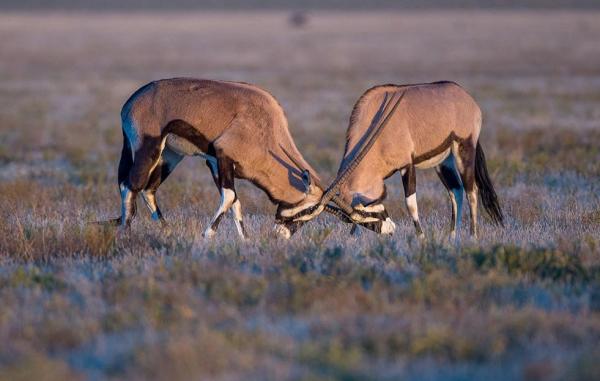
Here, the deep red and orange colors of the vast parallel dunes meet the dusty shades of Kalahari scrubland, dotted only by the sparse shadows of acacias. Despite this harsh environment, wildlife and flora are surprisingly abundant. The Kgalagadi is home to the iconic springbok and oryx (gemsbok), Cape eland, as well as adorable meerkats, 200 bird species, the famous black-maned Kalahari lion and many other big cats (cheetahs, leopards, caracals…). Located far from major routes, the park is sparsely visited, making it an ideal spot for nature lovers seeking relative isolation. Truly breathtaking!
As you can see, this captivating desert will not leave you indifferent!
Request a tailor-made itinerary to plan your next trip to the Kalahari.
Our tips for visiting the Kalahari Desert
When to visit the Kalahari?
In the Kalahari, there are no traditional seasons, but rather three distinct periods:
- the rainy season, from November to May;
- the cold season, from June to August (the Kalahari is at altitude, between 600 and 1600 m);
- the dry and hot season, from September to December.
During the rainy season, the landscapes are greener. In the dry season, animals, particularly predators, gather in the valleys around waterholes. In any case, be prepared for intense heat from November to February!
⚠️ In the Kgalagadi Transfrontier Park, facilities are intentionally limited: for a stay between April and October, you must book at least 6 months in advance, sometimes up to 10 months! A minimum stay of 2 nights is required.
How to visit the Kalahari?
Whichever country you enter the Kalahari from, a 4x4 is essential. In Botswana, a guide is also mandatory, and you must be equipped with navigation tools and reserves of water and fuel. In Namibia and South Africa, you can explore the Kalahari on a self-drive trip.
In the Kgalagadi, in the South African part, a 4x4 is ideal, although it is also possible to visit with a high-clearance 2x4 and by deflating the tires to easily cross sandy areas.
How many days to plan for a trip to the Kalahari?
Long distances and heavy logistics require careful planning if you wish to complete a full circuit of at least one week across the Kalahari.
But the Kalahari can also be visited in just two or three days, by including it in an itinerary:
- in Botswana, starting from Maun;
- in Namibia, as a stop between Windhoek and the Namib Desert or the south of the country;
- in South Africa, as part of a circuit in the northwest of the country or a combined trip;
- South Africa/Namibia – border crossing is possible via the Kgalagadi.
-> Thinking about going to the Kalahari? Effective Connections organizes tailor-made tours in this desert and throughout Southern Africa. Contact our local French-speaking team for a free quote and set off to explore the wide-open spaces and wildlife of this mythical region!