Planning a trip to Tanzania means choosing one of Africa’s most iconic safari destinations. From the vast plains of the Serengeti to the spectacular Ngorongoro Crater, via the baobab-dotted landscapes of Tarangire and the scenic shores of Lake Manyara, the country offers a remarkable diversity of ecosystems and experiences.
Traveling in Tanzania is also an opportunity to discover Africa’s highest peak, Mount Kilimanjaro, meet Maasai communities, and follow the rhythm of the Great Migration as it crosses the savannahs each year.
Your itinerary can be extended to the beaches of Zanzibar, where Swahili heritage blends with the turquoise waters of the Indian Ocean in a uniquely island atmosphere.
A destination that perfectly combines exceptional safaris, spectacular landscapes, cultural discoveries, and beachside relaxation.
Why Choose Tanzania for Your Trip?
Planning a tour of Tanzania allows you to experience the very best of Africa in a single journey, whether you are passionate about wildlife photography, outdoor activities, cultural exploration, or beach holidays:
- Some of Africa’s most iconic safari experiences
- The vast plains of the Serengeti and the spectacle of the Great Migration
- The UNESCO World Heritage-listed Ngorongoro Crater
- A wide variety of landscapes: savannahs, volcanoes, lakes, mountains, and coastline
- The opportunity to combine a safari, a Kilimanjaro trek, and/or Zanzibar beaches in one trip
- A dream destination for a honeymoon or luxury getaway
Your tailor-made Tanzania journey : we create an itinerary that reflects your interests, with a French-speaking driver-guide and support from start to finish.
Tanzania, The Kingdom of Great African Safaris
Tanzania is home to some of Africa’s largest wilderness areas and boasts an unparalleled concentration of protected lands. From the plains of the Serengeti to the Ngorongoro Crater, as well as lesser-known parks such as Tarangire and the slopes of Kilimanjaro, the country offers an extraordinary diversity of landscapes and ecosystems.
It is also one of the world’s best destinations for witnessing the Great Migration of wildebeest and zebras, which takes place primarily within the Serengeti ecosystem. With the expertise of your experienced driver-guide, you will also have excellent opportunities to spot the Big Five and capture outstanding wildlife photographs during your safari.
Beyond game drives, Tanzania captivates visitors with its rich cultural heritage, Maasai communities, and access to the Indian Ocean through the Zanzibar archipelago.
What to Do in Tanzania? The Main Regions to Visit
Most of Tanzania’s major national parks are located in the northern part of the country, making it easy to design an itinerary that crosses multiple ecosystems or even combines Tanzania with Kenya.
Arusha
Located at the foot of Mount Meru, Arusha is the main gateway to northern Tanzania’s safari circuit. The city serves as the starting point for most itineraries heading to Tarangire, the Serengeti, and the Ngorongoro Crater.
More than just a stopover, Arusha deserves exploration in its own right. Its lively markets, coffee plantations, and proximity to Arusha National Park offer a first glimpse into Tanzania before venturing into the country’s great wilderness areas.
Arusha National Park
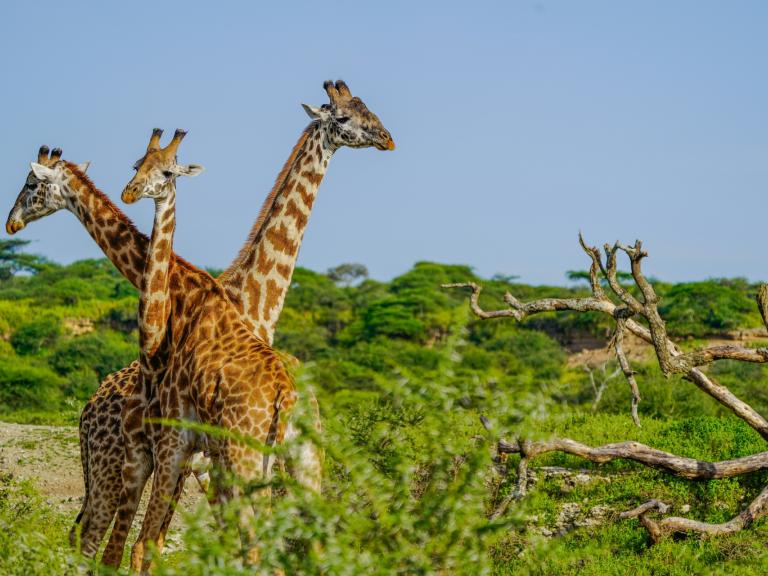
Less famous than the major parks of northern Tanzania, Arusha National Park offers a more intimate safari experience. Dominated by Mount Meru, it stands out for its diverse landscapes, including lush forests, alkaline lakes, and open plains inhabited by giraffes, buffaloes, and zebras.
It is also one of the few parks in Tanzania where walking safaris are possible, accompanied by an armed ranger, providing a unique perspective on wildlife and scenery.
Kilimanjaro
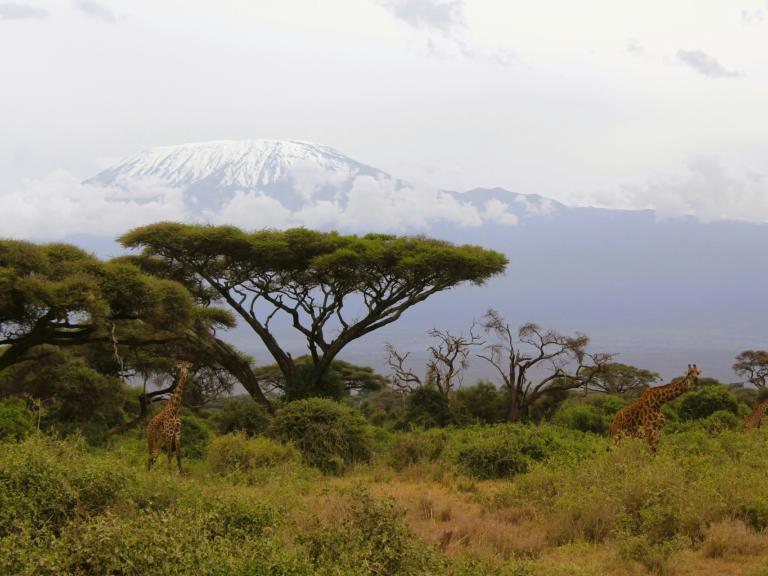
Standing at 5,895 meters, Mount Kilimanjaro is Africa’s highest peak and one of the world’s most famous mountains. Its imposing silhouette dominates northern Tanzania and has become a symbol of the country.
Beyond the summit climb, Kilimanjaro National Park offers numerous alternatives, including day hikes on the Shira Plateau and explorations of the mountain forests. It is an ideal adventure for travelers seeking to discover another side of Tanzania.
Tarangire National Park
Renowned for its giant baobab trees and large elephant populations, Tarangire is among the most beautiful parks in northern Tanzania. During the dry season, the Tarangire River attracts abundant wildlife, creating excellent game-viewing opportunities.
Less crowded than the Serengeti or Ngorongoro, the park also charms visitors with its peaceful atmosphere and classic African scenery.
Ngorongoro Crater
A UNESCO World Heritage Site, the Ngorongoro Crater is one of Africa’s most spectacular natural wonders. This immense volcanic caldera shelters an extraordinary concentration of wildlife within a relatively enclosed environment.
Lions, elephants, hippos, buffaloes, and rhinos can all be seen during a single day of safari. Nearby lie the famous Olduvai Gorge, often referred to as one of the cradles of humanity. This major archaeological site features a museum from which visitors can descend into the gorge itself.
Serengeti National Park
One of Africa’s most legendary parks, the Serengeti is home to some of the continent’s highest concentrations of wildlife. Its endless plains host the famous Great Migration, during which millions of wildebeest, zebras, and gazelles move according to seasonal rainfall patterns.
Beyond this spectacular natural phenomenon, the Serengeti is renowned for its large predator populations and the diversity of its landscapes, which vary significantly from one region to another.
Lake Manyara National Park
Nestled beneath the dramatic escarpment of the Great Rift Valley, Lake Manyara National Park packs an impressive variety of landscapes and habitats into a relatively compact area.
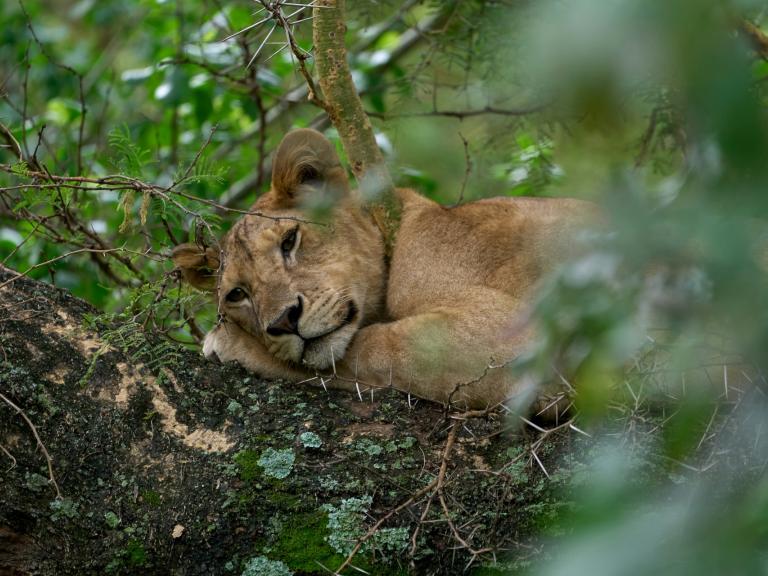
Forests, marshes, open grasslands, and lakeshores create an ideal environment for diverse wildlife. The park is particularly famous for its tree-climbing lions and abundant waterbird populations.
Nyerere Reserve (Formerly Selous)
Located in southern part of the country, Nyerere reserve is accessible by light aircraft from Dar es Salaam or Zanzibar. More remote and less visited than the northern parks, it offers a different safari experience focused on vast wilderness and exclusivity.
The region is especially well suited to walking safaris, traditional game drives, and boat excursions along the Rufiji River, providing unique wildlife-viewing opportunities.
Dar es Salaam
The country’s largest city and main port, Dar es Salaam is often visited before heading to Zanzibar or the southern reserves.
A dynamic city on the Indian Ocean, it blends Swahili, Arab, and colonial influences. Its bustling markets, waterfront, and local atmosphere provide a different perspective on Tanzania, far removed from the safari circuit.
Zanzibar: The Perfect Extension After a Safari
Off the coast of Tanzania, Zanzibar captivates visitors with its beautiful beaches, rich history, and unique island atmosphere.
The archipelago combines cultural exploration with seaside relaxation. Stone Town, a UNESCO World Heritage Site, reflects a rich trading history, while the island’s coastline boasts some of the finest beaches in the Indian Ocean. A dream destination to extend your safari in a tropical paradise.
-> To learn more, consult our guide to planning a tailor-made Tanzania and Zanzibar trip.
How to Travel in Tanzania?
Tanzania is a destination that lends itself particularly well to guided travel. The main reserves in the north are spread across a vast area, and transportation is an integral part of the experience.
Whether traveling privately or in a group, having a driver-guide allows you to enjoy your journey without worrying about day-to-day logistics. Their knowledge of the terrain and animal behavior enriches every safari outing.
Itineraries are designed to balance discovery, safaris, and relaxation, allowing travelers to explore different regions while maintaining a comfortable pace.
Private Safari with a Guide
A tailor-made journey with a private driver-guide is the preferred option for most travelers discovering Tanzania.
You benefit from personalized support throughout your itinerary, with a vehicle reserved exclusively for your use. This setup allows you to tailor the pace of your trip to your interests and make the most of every destination you visit.
Safari days are organized according to wildlife-viewing conditions, seasons, and opportunities encountered in the field, creating a more flexible and immersive experience.
This option also makes it possible to include a wider variety of excursions, such as hiking on the slopes of Kilimanjaro or exploring more remote areas like Lake Natron, whose red saline waters attract millions of flamingos each year.
Interested in a private safari at your own pace?
We can design a personalized, no-obligation itinerary tailored to your budget. Speak with a travel advisor about your tailor-made Tanzania journey
Small-Group Guided Tours
Small-group tours offer the opportunity to discover Tanzania in a friendly atmosphere while keeping costs under control.
Departures follow pre-arranged programs generally focused on the major national parks of northern Tanzania. This option is particularly suitable for solo travelers or those who enjoy sharing experiences with fellow travel enthusiasts.
Tours are led by experienced guides who ensure a good balance between sightseeing, safaris, and leisure time.
Some itineraries can be extended to Zanzibar or combined with Kenya for a more comprehensive East African experience.
Compare some of our flagship Tanzania tours:
- Hidden Treasures of Tanzania – 5 Days
- On the Tracks of Tanzania – 7 Days
- Mara to Serengeti – 13 Days
- Amboseli to Serengeti – 10 Days
- Amboseli to Ngorongoro – 8 Days
- Mara to Ngorongoro – 11 Days
Safaris by plane in Tanzania (fly-in)
Traveling by light aircraft is an excellent way to access Tanzania’s most remote regions while significantly reducing travel times.
This option is particularly suitable for travelers seeking both comfort and exceptional safari experiences, especially in the Serengeti, Nyerere National Park, or as part of a combined safari and Zanzibar itinerary.
Once at your destination, activities are usually organized directly by safari lodges and camps, ensuring maximum immersion in nature.
Please note: luggage must be packed in soft-sided bags and is generally limited to 15–20 kg per person, depending on the airline.
Tempted by a private safari, a guided group tour, or a fly-in safari?
Several travel styles are available depending on your budget, available time, and travel preferences.
Honeymoon in Tanzania
Tanzania is one of Africa’s most sought-after honeymoon destinations, thanks to its unique combination of world-class safaris and the idyllic beaches of the Indian Ocean.
Combining adventure and relaxation, a typical honeymoon itinerary includes the country’s iconic highlights—Serengeti, Ngorongoro, and Tarangire—before heading to Zanzibar for a few days of rest and romance.
Accommodations selected for honeymooners emphasize privacy, charm, and quality, from lodges in the heart of the savannah and elegant safari camps to boutique beachfront hotels.
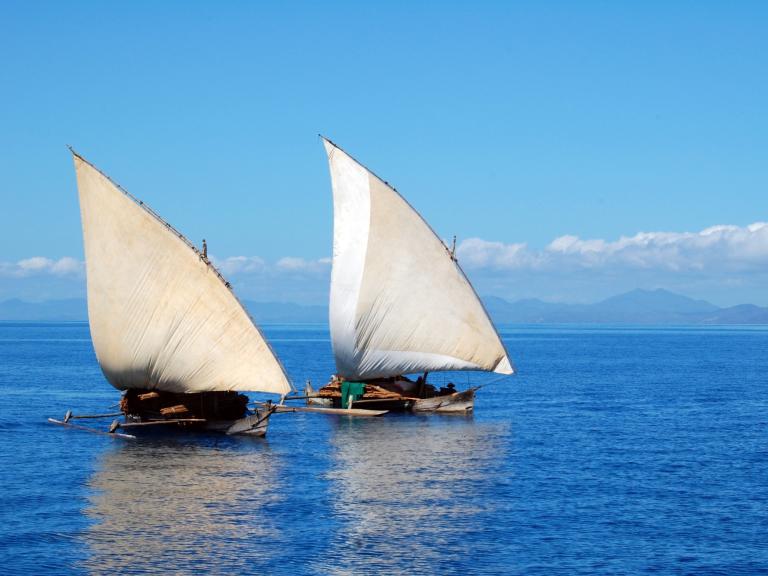
Sunrise safaris, dinners under the stars, traditional dhow cruises, and sunsets on Zanzibar’s beaches all contribute to creating unforgettable memories.
Combining Tanzania and Kenya in One East African Journey
Tanzania and Kenya share common ecosystems and offer similar wildlife viewing opportunities, yet each destination has its own identity and highlights.
Tanzania is renowned for the vastness of the Serengeti, the spectacular Ngorongoro Crater, and the possibility of extending a trip to Zanzibar. Kenya is famous for the Masai Mara, Amboseli, and lesser-known regions such as Samburu.
Depending on the length of your trip, it is possible to create an itinerary spanning both countries and experience the very best of East Africa:
- Safari in Tanzania’s Serengeti and Ngorongoro Crater
- Exploration of Amboseli and the Masai Mara in Kenya
- A beach extension in Zanzibar or along Kenya’s coast, depending on the atmosphere you seek
Such combined journeys require careful planning of transfers, border crossings, and travel formalities. Our French-speaking Africa travel agency takes all of these elements into account from the very beginning of the itinerary design process.
When to Visit Tanzania?
The best time to visit Tanzania depends on the experiences you are looking for, although the country can be visited year-round.
Best Travel Periods
- January to March
- June to October
These months correspond to the dry seasons and are particularly favorable for wildlife viewing in the major parks of northern Tanzania.
Rainy Seasons
- April and May: main rainy season
- November: shorter and generally lighter rains
April and May correspond to the low tourist season. Landscapes are lush and green, and prices are often more attractive, although some roads and tracks may be more difficult to access.
Travelers hoping to witness key stages of the Great Migration should plan their trip according to the seasonal movements of the herds.
As Tanzania is a highly sought-after destination, especially during the European summer and year-end holidays, booking several months in advance is strongly recommended.
What Budget Should You Plan for a Tanzania Safari?
A trip to Tanzania generally requires a minimum budget of 2 200 €/per person.
This budget can be adjusted depending on your desired level of comfort, thanks to the country’s wide range of accommodation options:
- Standard lodges
- Comfort and upscale lodges
- Exclusive safari camps
The cost of your stay in Tanzania will, of course, depend on the length of the trip, the regions visited, the mode of transport chosen, and the level of accommodation selected. Choosing a small-group tour is also a good way to reduce costs
Our Tanzania Travel Suggestions
Explore our sample itineraries and use them as inspiration to create a completely personalized journey.
- Safari & Zanzibar – 8 Days
5 days of safari in northern park and 3 days of beach stay
From 2 210 € per personEssential Tanzania & Zanzibar – 10 Day7 days of safari in northern park and 3 days of beach stay
From 2 935 € per personHow to organize your trip to Tanzania?
This interactive map allows you to select destinations that inspire you and create a list of ideas.
Using the map is entirely optional: you may also contact us directly to design your tailor-made trip.
Steps :
- Choose regions and points of interest.
- Add them to your list.
- Send the list to us.
Once we receive it, we will discuss your ideas and work together to refine and build your personalized Tanzania itinerary.
Click on the province(s) you are interested in to display them.
My wishlist
Your wishlist is empty...
Essential Travel Requirements for Tanzania
Passport valid for at least 6 months after your return date
Visa required before departure
Yellow fever vaccination depending on your country of origin
Ready to plan your Tanzania safari?
Contact us to receive a personalized itinerary proposal tailored to your pace, budget, and interests.


FAQ About Planning Your Trip to Tanzania
SOUTH AFRICA NAMIBIA BOTSWANA ZIMBABWE ZAMBIA KENYA TANZANIA MOZAMBIQUE MAURITIUS REUNION