A trip to Kenya promises the discovery of one of Africa’s most iconic safari destinations. It is a country that immediately brings to mind vast plains, free-roaming wildlife, and breathtaking landscapes.
From the legendary plains of the Masai Mara and the elephants of Amboseli with Mount Kilimanjaro as a backdrop, to the white sandy beaches of the Indian Ocean, Kenya offers a remarkable diversity of experiences.
Traveling to Kenya also means exploring the cradle of humanity in the heart of the Rift Valley, whose spectacular landscapes have shaped the history of the continent.
Why Choose Kenya for Your Trip?
A tour of Kenya appeals equally to nature enthusiasts, lovers of wide-open spaces, and travelers seeking authentic discoveries. Safaris in legendary reserves, cultural encounters, and beach stays along the Indian Ocean allow for diverse itineraries suited to all types of travelers.
- Easily accessible destination with direct flights from Europe
- Great diversity of landscapes within a relatively compact territory
- One of the best safari destinations in the world
- Ideal for a first safari in Africa
- Perfect for a family holiday in Africa or a honeymoon
- Easy combination of safari and beach vacation
Kenya is best explored with a private driver-guide. This is the most suitable option for optimizing travel and wildlife viewing while ensuring a smooth and well-organized journey.
Kenya: Land of Safaris and Wide Open Spaces
Kenya offers exceptional wildlife density and some of the best wildlife-viewing conditions in Africa.
It is here that visitors can witness one of the greatest natural spectacles on Earth: the Great Migration, when thousands of wildebeest and zebras cross the plains between the Serengeti in Tanzania and the Masai Mara in Kenya. This phenomenon is particularly visible between July and October, when herds cross the Mara River in dramatic scenes.
Beyond the Great Migration, Kenya boasts remarkable wildlife diversity year-round. Lions, leopards, elephants, rhinos, and buffalo—the famous African Big Five—can be found in most reserves.
With its cultural richness, from the Maasai people to the coastal regions influenced by Arab and European civilizations, Kenya offers a complete travel experience that combines nature, wildlife, and history.
Nairobi
Kenya’s capital and the country’s main gateway, Nairobi offers attractions such as the Karen Blixen Museum, Nairobi National Park (the only wildlife reserve located on the edge of a capital city), the Giraffe Centre, and the Sheldrick Elephant Orphanage. Nairobi serves as a practical stopover connecting the main safari regions.
Masai Mara National Reserve
Kenya’s most iconic reserve is renowned for its exceptional wildlife density and the spectacle of the Great Migration. Lions, elephants, buffalo, leopards, and cheetahs are frequently seen across its vast open plains.
The Masai Mara is divided into several areas, including private conservancies offering more exclusive safari experiences. Visitors can also visit a Maasai village or take a sunrise hot-air balloon flight over the savannah for an unforgettable adventure.
Amboseli National Park
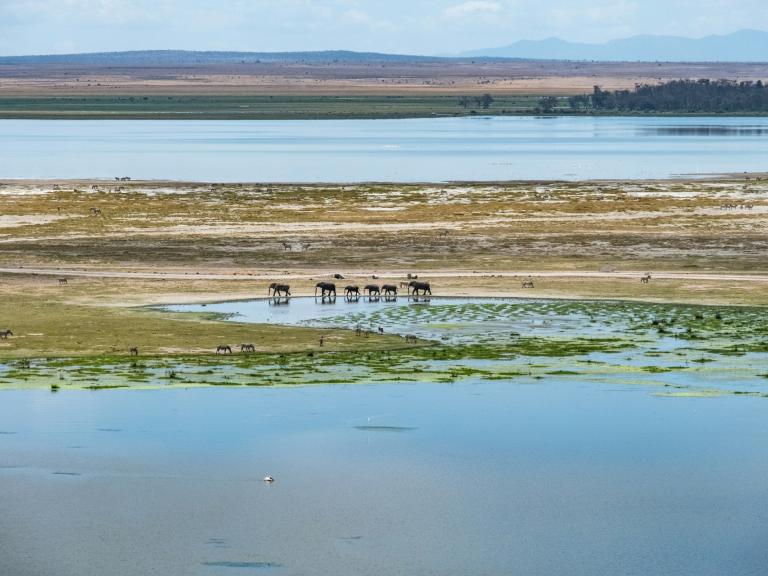
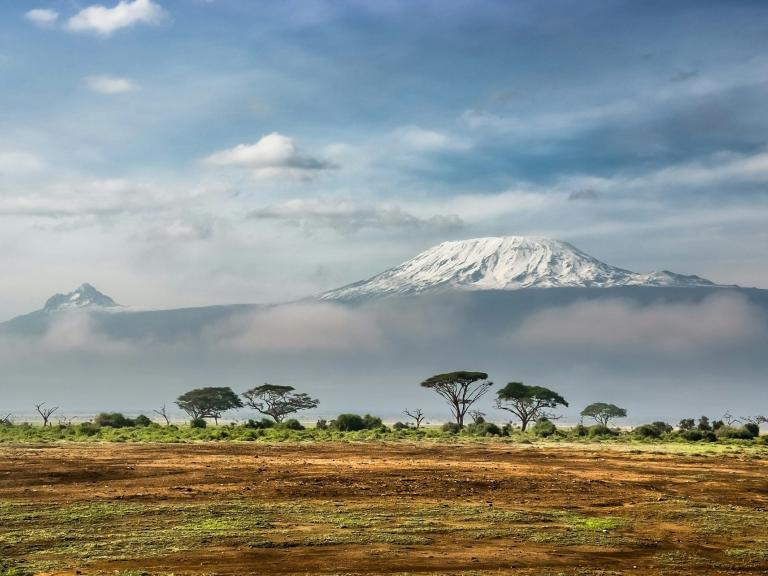
Amboseli is one of Africa’s most photogenic parks. It is especially famous for its large elephant herds roaming open landscapes beneath the snow-capped peaks of Mount Kilimanjaro.
In addition to elephants, visitors can spot giraffes, buffalo, zebras, wildebeest, and numerous bird species. Big cats are more discreet here. Wildlife viewing is generally excellent from June to March.
Samburu National Reserve and Northern Kenya
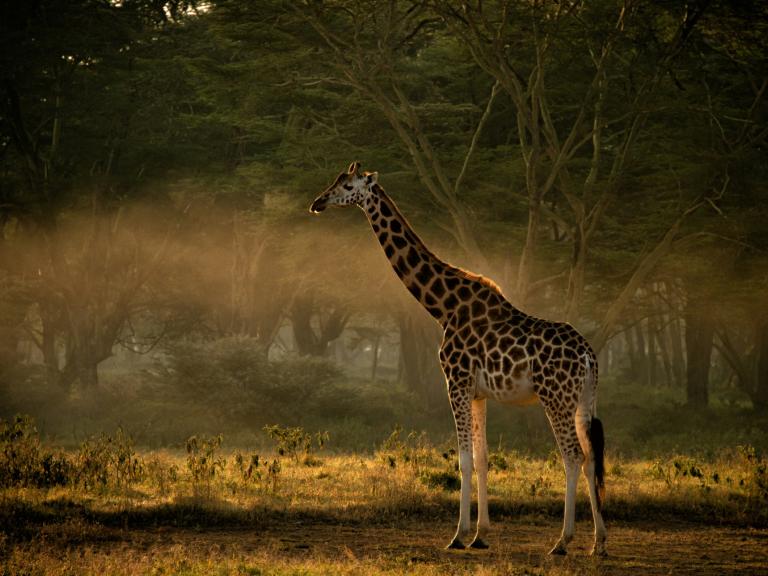
Located north of the Equator, this drier region offers a completely different atmosphere from the southern savannahs. Samburu is known for its « unique northern » species such as Grevy’s zebra, the reticulated giraffe, and the gerenuk (Waller’s gazelle).
Less crowded than other reserves, the region is ideal for more intimate safari experiences. The Ewaso Ng’iro River, which flows through these semi-desert landscapes, is a vital source of life for wildlife.
Ol Pejeta Conservancy
This private reserve, located between Nairobi and Mount Kenya, is renowned for its excellent safaris and its conservation efforts to protect rhinos, including the last northern white rhinos.
It offers a more exclusive and structured experience than national parks, with abundant wildlife and high-quality guided safaris.
Rift Valley Lakes
(Nakuru, Naivasha, Bogoria, Baringo)
The Rift Valley is home to a chain of lakes featuring varied landscapes and ecosystems. Lake Nakuru is famous for its rhinos and flamingo colonies, while Lake Naivasha offers activities such as walking safaris on Crescent Island, cycling in Hell’s Gate National Park, and climbing Mount Longonot.
This region is ideal for a two-night stay, combining nature, outdoor activities, and impressive volcanic scenery.
Mount Kenya and the Aberdares
The central highlands of Kenya provide a refreshing contrast to the savannahs, with mountain forests, tea plantations, and dramatic landscapes.
Mount Kenya, rising to 5,199 meters, is Africa’s second-highest peak and offers several hiking and climbing routes for different experience levels.
Nearby, the Aberdare Range is more secluded, with wildlife often observed around waterholes from lodges overlooking the landscape.
Tsavo National Park
Divided into Tsavo East and Tsavo West, this vast park is wilder and less visited than the Masai Mara.
Its landscapes range from savannahs and volcanic formations to natural springs. Wildlife sightings are more spread out, but the park attracts visitors with its immense open spaces and unspoiled atmosphere. Nearby, the private Taita Hills Conservancy offers easier wildlife viewing opportunities.
Mombasa & the Kenyan Coast
Kenya’s coastline stretches for hundreds of kilometers of palm-fringed beaches protected by coral reefs. Visitors can enjoy scuba diving, snorkeling, and boat excursions along the coast.
Beyond relaxation, the region offers a rich cultural heritage shaped by Swahili, Arab, and European influences. The north coast is more lively, while the south coast is known for its wilder beaches and diving sites. It is an ideal extension after a safari.
Lamu
Listed as a UNESCO World Heritage Site, Lamu Island offers a unique atmosphere that feels untouched by time. Its exceptional cultural heritage makes it one of East Africa’s most distinctive destinations. Travelers seeking peace, authenticity, and a digital detox after a safari are particularly drawn to Lamu.
Here, transportation is mainly on foot, by dhow (traditional sailing boat), or by donkey, through narrow streets lined with preserved Swahili architecture.
Accessible by air from Nairobi or Mombasa, Lamu offers a more authentic and exclusive alternative to traditional beach resorts.
How to Travel in Kenya?
For this destination, a tour with a driver-guide remains the most suitable option. Distances between reserves, road conditions, and limited signage make self-driving trips more challenging.
Traveling with a guide not only simplifies logistics but also enhances wildlife viewing thanks to their knowledge of the terrain and animal behavior.
Each itinerary is designed to balance driving time and safari activities, maximizing your overall experience.
Private Safari with a Driver-Guide
A private safari with a driver-guide is the best way to discover Kenya under optimal conditions.
You will have a private vehicle and guide throughout your journey. Safaris are conducted directly from your vehicle, usually a comfortable 4x4 with a pop-up roof offering panoramic views.
This tailor-made option provides great flexibility, allowing adjustments to schedules, safari durations, lodge breaks, or full days in the reserve. Your guide adapts the pace according to your preferences and local conditions. Taking a picnic lunch on safari often helps maximize wildlife sightings.
It also makes it easier to include off-the-beaten-path destinations such as Samburu, Ol Pejeta, or the Aberdares, which are often excluded from group tours.
Tailor-Made Travel in Kenya: 5 Good Reasons to Choose a Personalized Safari.
Small Group Guided Tours
Small group tours in Kenya offer a more affordable alternative, ideal for solo travelers or those who enjoy sharing experiences while benefiting from professional guidance.
These programs follow set itineraries and allow travelers to discover Kenya’s main attractions at a balanced pace, accompanied by a French-speaking guide.
Some tours are combined with Tanzania for a more comprehensive East African experience.
Safaris by plane (fly-in)
Fly-in safaris allow travelers to quickly connect between major reserves and significantly reduce travel times.
Upon arrival, excursions are organized by the lodges, generally in open 4x4 vehicles accompanied by a ranger. This option, often sold as a "game package," includes activities and offers a higher level of comfort.
It is ideal for travelers seeking a more exclusive experience and a smoother travel pace.
Note: Luggage is restricted and must usually be carried in soft-sided bags, typically with a maximum allowance of 15–20 kg per person.
Madaraka Express Train
The Madaraka Express train connects Nairobi to Kenya’s coast in just a few hours, providing a comfortable alternative to road travel.
It offers a different way to experience the landscape, particularly while crossing Tsavo National Park, where wildlife can often be spotted from the train.
Not sure whether to choose a guided tour, a tailor-made journey, or a fly-in safari? We can help you determine the option that best suits your travel plans.
Honeymoon in Kenya
Kenya offers one of Africa’s most iconic settings for a honeymoon, combining spectacular safaris with tropical beaches.
An ideal itinerary can combine the vast plains of the Masai Mara or the landscapes of Amboseli with a relaxing extension to the Kenyan coast or Lamu Island.
For couples seeking more exclusive experiences, regions such as Samburu or Ol Pejeta provide a wilder and more untouched side of the country.
Accommodation ranges from charming lodges to premium safari camps, offering intimate settings in the heart of nature, with sunrise game drives, bush dinners, and sunsets overlooking the savannah.
A honeymoon in Kenya perfectly blends adventure, comfort, and unforgettable moments.
Combining Kenya and Tanzania into One East African Journey
Kenya and Tanzania share expansive ecosystems and together offer a rich, complementary safari experience.
The decision between the two destinations usually depends on travel duration, budget, and the level of comfort you are aiming for.
However, it is entirely possible to design a balanced itinerary that combines highlights from both countries, such as Amboseli National Park and the Ngorongoro Crater:
- Start your safari in the Masai Mara (Kenya) or end in the Serengeti (Tanzania), depending on the direction of travel
- Cross the border after visiting Amboseli to explore Tanzania’s Tarangire National Park and the Ngorongoro Crater
- Extend your trip to Zanzibar for a beach stay, known for its clear waters and more exclusive, relaxed atmosphere compared to Kenya’s coast
These multi-country journeys require careful coordination of flights, transfers, and border procedures, which are usually planned from the beginning when creating a tailor-made East African itinerary.
When to go to Kenya ?
Kenya can be visited throughout the year thanks to its equatorial climate, although certain seasons are better suited for specific experiences such as safari, beach holidays, or combined itineraries.
Your ideal travel period will depend on the type of experience you want.
Recommended travel seasons:
- January to March
- June to October
These dry months offer excellent wildlife viewing conditions. In the Masai Mara, the Great Migration is typically at its peak between July and October.
Rainy seasons:
- April to May: The main rainy season
- November: Shorter and lighter rains
The April to May period is considered low season. While the landscapes are lush and green, some roads may become muddy and more difficult to navigate. On the positive side, prices are generally lower and there are fewer tourists.
Regardless of the season, Kenya remains a popular destination, so it is advisable to book 6 to 9 months in advance, especially for peak travel periods.
What budget should you plan for a trip to Kenya?
A safari in Kenya generally starts from around 1 900 € per person, though the final cost varies depending on travel dates, trip length, accommodation category, and transport style.
Private safaris with an expert driver-guide offer the highest level of comfort and flexibility, while group safaris provide a more budget-friendly option. Fly-in safaris are more convenient but usually more expensive.
With a wide range of lodges and camps available, Kenya can suit different budgets, from comfortable mid-range stays to luxury safari experiences. It is also possible to combine different accommodation levels within the same itinerary.
Our itinerary ideas in Kenya
Explore our itinerary ideas, then design a unique trip with us.
How to organize your stay in Kenya?
This interactive planning approach allows you to choose destinations that inspire you and build your own travel wishlist.
You can use the map tool or simply share your preferences directly for a fully personalized itinerary.
Steps:
- Select your preferred destinations and regions
- Add them to your list
- Send it for itinerary creation
Once received, your selections will be reviewed and used to design a tailor-made East African journey.
Click on the province(s) you are interested in to display them.
My wishlist
Your wishlist is empty...
Travel Requirements for Kenya
Passport valid for at least six months beyond your return date
Approved Electronic Travel Authorization (eTA) obtained before departure
Yellow fever vaccination may be required depending on your country of origin
Let’s build your safari in Kenya together. Contact us to design an itinerary tailored to your pace, budget, and preferences.


FAQ Planning Your Kenya Trip
SOUTH AFRICA NAMIBIA BOTSWANA ZIMBABWE ZAMBIA KENYA TANZANIA MOZAMBIQUE MAURITIUS REUNION