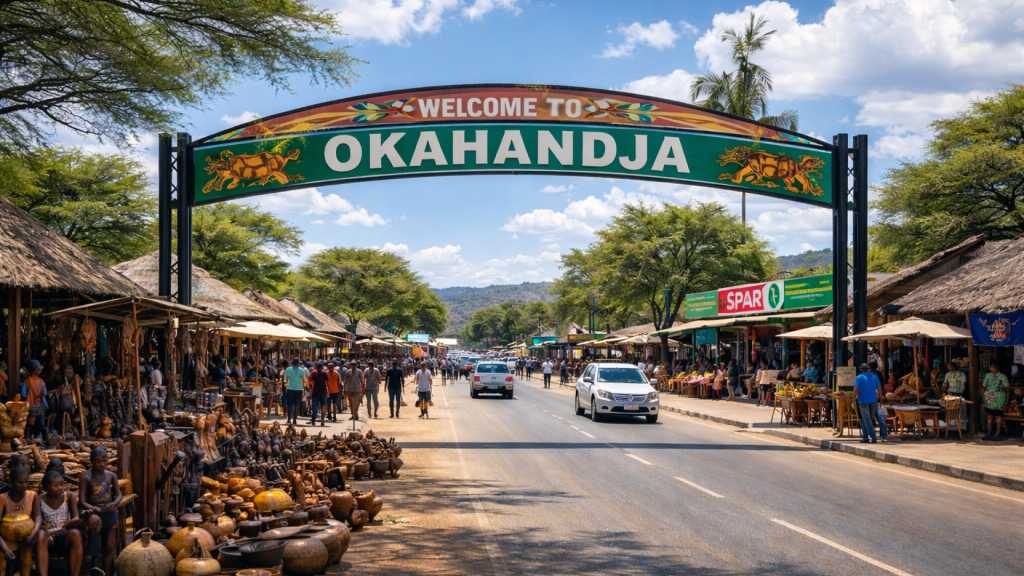
Located north of Windhoek, Okahandja is a small town widely regarded as one of Namibia’s key cultural crossroads. It is especially famous for its woodcarvers’ market, a vibrant gathering place where Herero and Ovambo artisans display handcrafted pieces ranging from small figurines to large, intricately carved works.
For travelers, Okahandja is the perfect place to discover local craftsmanship, interact directly with the artists, and take home an authentic souvenir. With its relaxed atmosphere, colorful stalls, and strong cultural roots, it offers a rewarding and enjoyable stop on the journey toward northern Namibia.
The Windhoek region blends the energy of a small capital with the tranquility of surrounding hills and open savannah. Rolling landscapes dotted with farms, vineyards, and game reserves stretch out in every direction, offering easy access to nature while staying close to urban amenities.
Windhoek itself is a cultural crossroads, where German colonial architecture meets modern Namibian life, with bustling markets, cafés, and craft shops. The region is ideal for travelers seeking a mix of city comforts and outdoor exploration, from scenic drives and hiking trails to visits to nearby wildlife conservancies.
The Great Namibia
Namibia, what else could we ask for? Almost permanent sunshine, great variety of landscapes with wild beauty, national parks rich in fauna and flora. In the West, the Namib desert, the oldest on the planet, the world highest dunes. In the South, the Fish River Canyon, the biggest after the Colorado. In the North, the largest national park in Africa: Etosha. A captivating country with extraordinary natural riches, Namibia deserves its nickname "Jewel of Africa".
When to go?
Subtropical and dry with warm days and cool nights. During the southern summer (from November to March), temperatures vary from 16 to 34°C and in desert areas they can reach 40 to 45°C. In winter (from June to August), they range from 4 to 22℃ and sometimes fall below 0℃ on the relief or in the desert.
The best season to go to Namibia is during the first weeks of November and April. Its not the peak season and the conditions of visit are good. If the high season (May to October) wins the prize of the best climate. Its not necessarily the best because tourists are the most numerous. The rainy season should be avoided if there are plans to explore national parks.
Formalities
The passport must include two blank pages and still be valid for 6 months after the expected date of exit from Namibia. The visa is not compulsory for French nationals. Holders of a French passport are granted tourist visa permits for a maximum of 90 days, which are issued free of charge upon arrival, in particular for immigration checks at Windhoek airport.
For any minor child: a multilingual extract of birth certificate (or an unabridged birth certificate translated into English - certified translation) is required to enter and leave Namibia (in the case of a child traveling with his 2 parents). Please consult the official sites for more information about all the requested documents according to your case.
Health
No vaccination is required for entry into Namibia.
Anti-malarial treatment is recommended (see your doctor). However, it is advisable to check the updating of your usual reminders and vaccinations as for any trip.
Currency
The currency in Namibia is the Namibian dollar (NAD).
Bank cards and traveller’s checks are widely accepted in Namibia, except for the purchase of gasoline especially inside the parks. Major credit cards are accepted in most shops, restaurants and hotels.
Banks and foreign exchange offices make the exchange of your currencies
For your payments, do not hesitate to use the South African rand.
SOUTH AFRICA NAMIBIA BOTSWANA ZIMBABWE ZAMBIA KENYA TANZANIA MOZAMBIQUE MAURITIUS REUNION